
Black River
Films
Award-Winning Films
Read all about Black River Group’s award-winning films below.
100 Short Stories
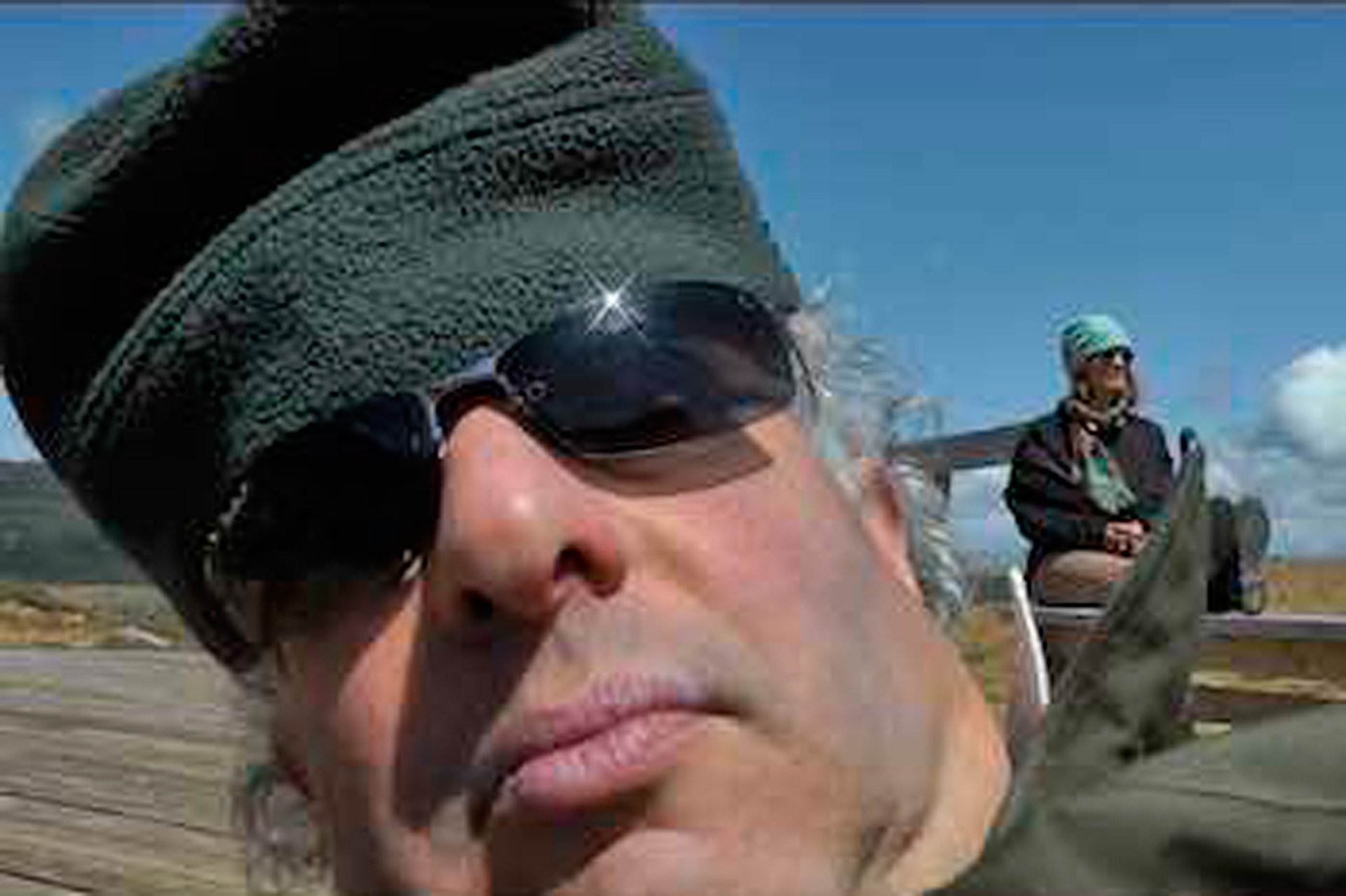
Livingston interweaves tales of predatory capitalism, eco-activism, and contemporary life in Atlantic Canada, engaging in an offbeat and often humorous exploration of environmentalism.
The Battle At Our Shores
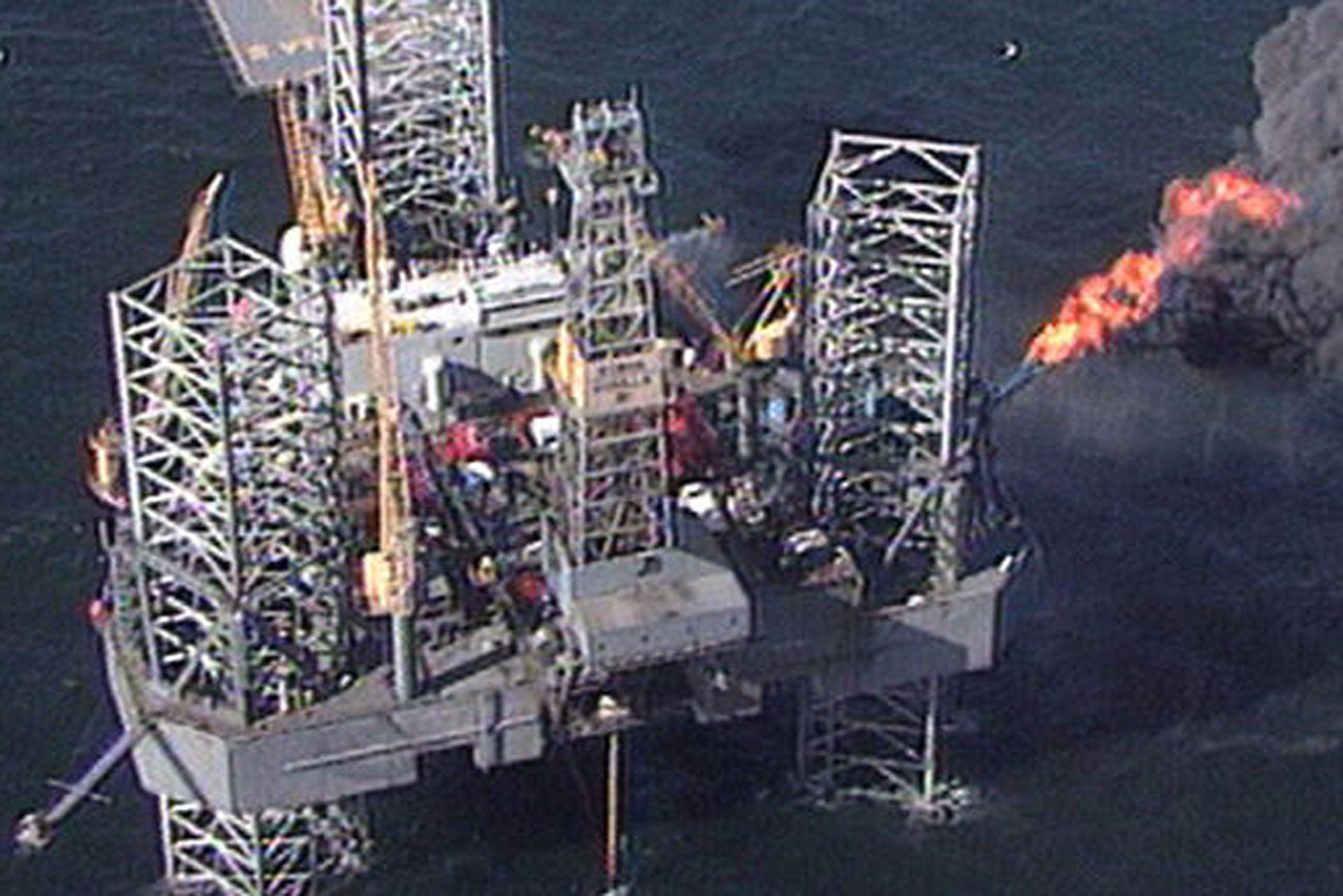
Livingston made his nationally televised film The Battle At Our Shores, which documented the large-scale community opposition to oil and gas exploration in the Southern Gulf of St. Lawrence.

Suêtes
This documentary traces the folklore and reality of living under the hurricane winds, that beat down upon the residents in the Acadian region of Cape Breton.

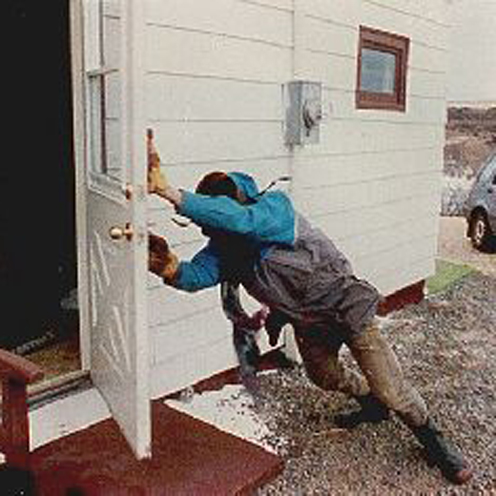
Michel in the Suête
A comic documentary about Michel Williatte-Battet attempting to carry out a normal day’s activities during a Suête windstorm. The results are side-splitting!

The Paper Age and Ancient Flight
Absurd, crackpot notions to most of us, but not to William Deiches, an amateur Egyptologist living in Brentwood, a suburb of London.
Film & Activism
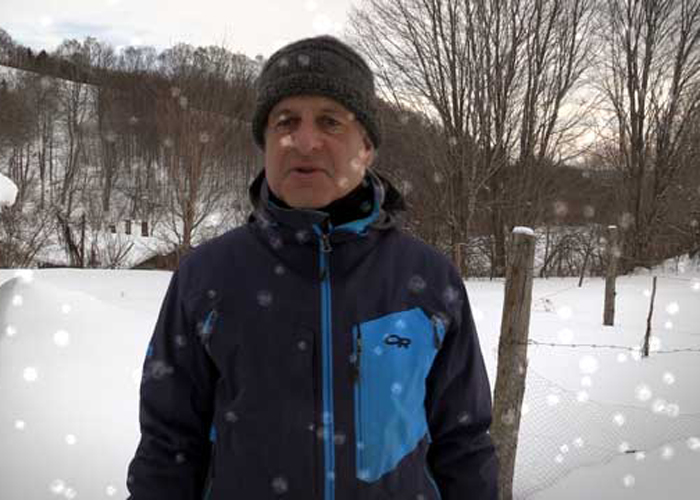
Beginning in 1968, Neal Livingston has been producing, writing, and directing award-winning documentary films. These films explore different themes, from environmental issues, experimental storylines, film portraits, humour, and history and social justice films.
Stemming from his interest in local community issues, many of these films act as a form of activism and provide commentary on environment and social justice within Nova Scotia.
Livingston would roughly divide his film work into two categories. The first being films which employ humour and are rather eccentric, and several earlier films from the 1970s and early 1980s which one can see this form developed from.
The second being, political documentaries on environmental issues, related to citizens fighting the government on issues in Cape Breton, and Nova Scotia, biography, and social portraits of communities.
In the early part of Neal’s career as a filmmaker from 1978 to 1994, a number of his films were shown at the Museum of Modern Art New York. In 2001, Neal had a retrospective at the Cinematheque Québecois – rare for a Nova Scotian filmmaker, and he was the first moving image artist to be invited to show his work at the Summer Art Festival in Baie St. Paul – he thinks in 2000. From about 1990 to 2010, a number of Neal’s films showed on national television in Canada, and around the world in English language countries, as well as film festivals domestically and internationally in which many of those films were also award-winning. Two of his films were shown in the 2010 Vancouver Cultural Olympiad as part of the Olympic celebrations.
To see Neal’s work, simply access his films on this page.
Neal’s website also has examples of an interesting visual art project called Junky Old Stuff, which is designed to be gallery hung, which was an early online humorous critique of eBay, which got national media attention from CBC and the Globe and Mail, in 2003. Also, the website has photo works and Tree Art pieces.
One of the main things Neal has strove to do in his film work, is to not use conventional structure, and the 2016 feature documentary 100 Short Stories, is a good example of this.
Neal has also collaborated with well-known Canadian and American celebrities, including:
- David Suzuki, who narrates Neal’s film, Toxic Partners.
- Philip Glass, who generously allowed the use of his music in Neal’s film, The Battle At Our Shores.
- Leonard Cohen, who generously allowed the use of his music in Neal’s film, Both Sides of The Wire.
- John Dunsworth, who plays Lahey in The Trailer Park Boys, pays as himself in Neal’s film John Dunsworth: The Candidate.
Films Produced, Written, & Directed by Neal Livingston
Read all about Black River Group’s films below.
Both Sides Of The Wire
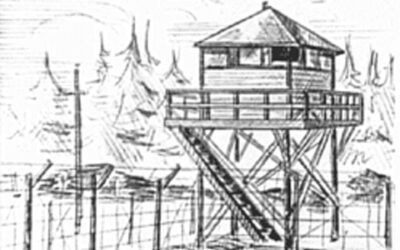
An hour long documentary which chronicles the experiences of Jewish Austrian and German refugees, whom had come to England to escape Nazi oppression.
The Paper Age and Ancient Flight
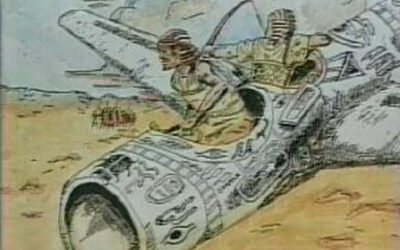
Absurd, crackpot notions to most of us, but not to William Deiches, an amateur Egyptologist living in Brentwood, a suburb of London.
The Disappearance of John Ashby
Photographer John Ashby had lived and worked on Cape Breton Island in eastern Nova Scotia. Struggling to keep ahead, house building became his priority.

Trees and Elevators
This film, set to the electronic music of Peter Wetzler, juxtaposes the four seasons of rural Cape Breton Island with the urban images of Halifax, Nova Scotia.
The Cape Breton Endangered Spaces
A brief overview of how clearcutting and herbicides are killing off what few natural wilderness areas are left in Cape Breton.
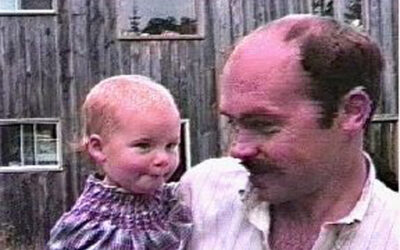
John Dunsworth: The Candidate
In 1988, John Dunsworth, an actor & theatre director was asked to run under the progressive NDP ticket in a provincial election in Nova Scotia.
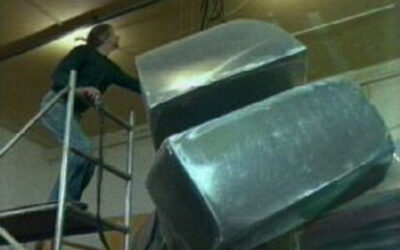
John Nesbitt: Sculptor
Born in Montreal in 1928, John Nesbitt was originally trained as a cabinet maker. After the tragic death of his first wife, he turned to art for solace.
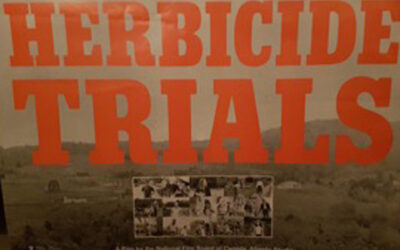
Herbicide Trials
In 1983, fifteen Cape Bretoner landowners went to court to stop the spraying of herbicides on forests adjacent to their properties.
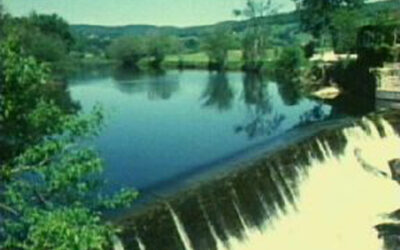
A Portrait of Small Hydro
In 1900, there were over 100,000 small water power sites in operation in North America. With the advent of cheap fossil fuels, many of them fell into disrepair.
Water Power
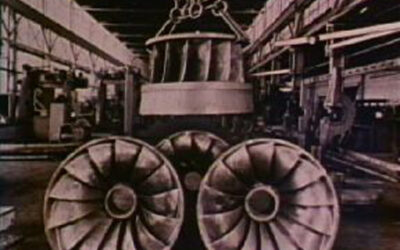
This documentary follows the process of installing a low head, hydroelectric system for domestic use on the filmmaker’s rural homestead in Mabou, Cape Breton.
Budworks
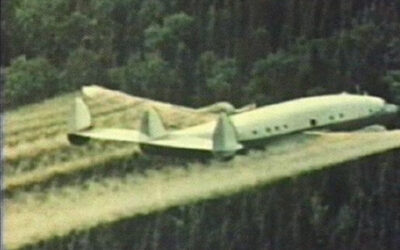
Through the 1980’s, most Canadian provinces east of Saskatchewan sprayed chemical insecticides into forests to combat spruce budworm and other forest insects.
Earlier Films
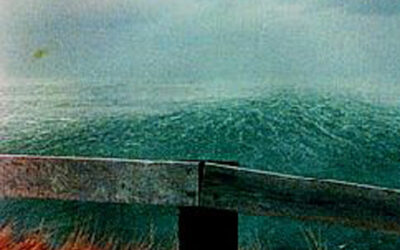
Find the film titles of Black River Group’s previous works, ranging from 1968 to 1982, that cannot currently be found online.